

 English
 Français
 Deutsch
 Italiano
 Português
 Русский
 Español
 简体中文
简体中文 日本語
日本語

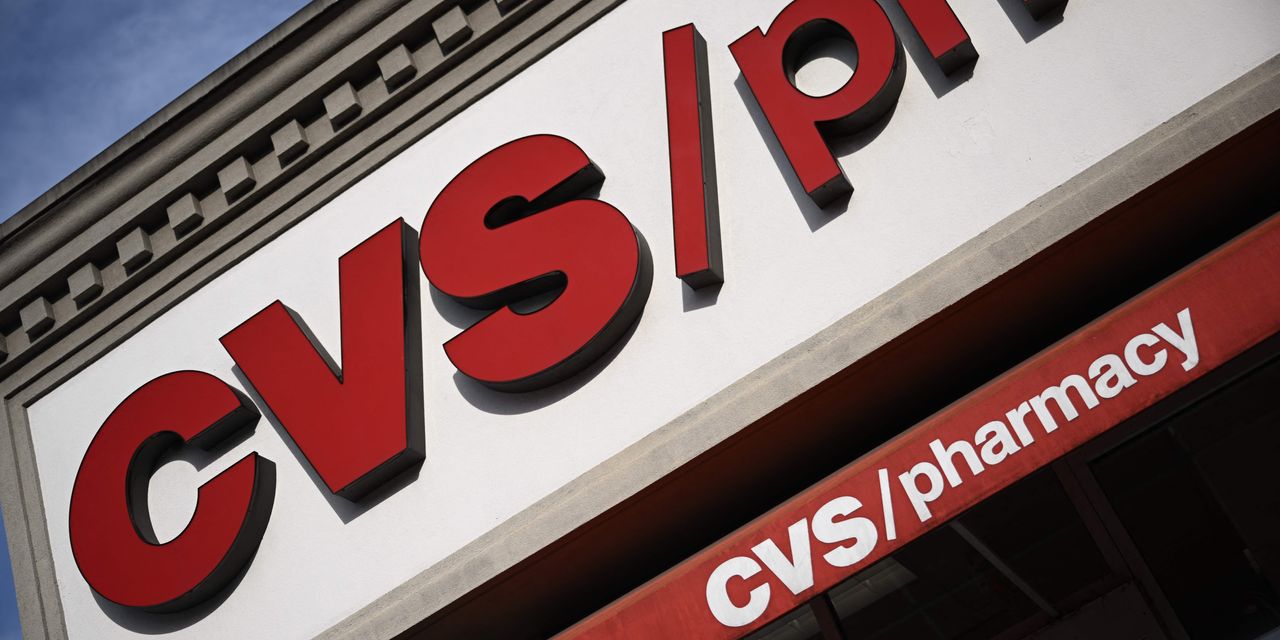

Shares of CVS Health Corp.
CVS,
and other pharmacy-benefit companies fell sharply Thursday after a major health insurer announced a new prescription-drug model that reduces its reliance on CVS Caremark services.
Blue Shield of California, a nonprofit health plan, said it will now work with Amazon.com Inc.’s
AMZN,
Amazon Pharmacy, Mark Cuban Cost Plus Drug Co. and a handful of other companies to provide prescription-drug benefits to its 4.8 million members. The health plan said it will still use CVS Caremark specialty pharmacy services for members with complex conditions.
The shift is “designed to fix problems in today’s broken prescription drug system,” Blue Shield said in a release, adding that it will be working with “organizations that share Blue Shield’s vision for more affordable and transparent pharmacy services.”
The plan expects to save up to $500 million annually in drug costs when the new model is fully implemented, Blue Shield said.
The news weighed down shares of some major PBM operators. CVS’s stock fell about 10% Thursday, while Cigna Group
CI,
which owns PBM Express Scripts, dropped 7% and UnitedHealth Group Inc.
UNH,
which operates a PBM through its Optum unit, fell 1%. Shares of large drug distributors, including McKesson Corp.
MCK,
Cardinal Health Inc.
CAH,
and AmerisourceBergen Corp.
ABC,
also fell.
Shares of GoodRx Holdings Inc.
GDRX,
which recently announced a drug-discount partnership with CVS Caremark, fell 4%.
Industry players will be watching the Blue Shield strategy closely, Evercore ISI analysts wrote in a note Thursday, as managing the various partnerships “could prove tricky.” But if the model is successful, “we could see additional regionals move more in a similar direction,” the analysts wrote.
Blue Shield’s move adds to pressures building on PBMs, the prescription-drug middlemen that can influence consumers’ and insurers’ medication costs and access, as well as payment terms for pharmacies. Regulators and members of Congress are scrutinizing PBMs, with some lawmakers looking to increase the transparency of PBM contracts and pricing practices.
“The current pharmacy system is extremely expensive, enormously complex, completely opaque, and designed to maximize the profit of participants instead of the quality, convenience and cost-effectiveness for consumers,” Paul Markovich, president and CEO of Blue Shield of California, said in a statement. Blue Shield’s new strategy, he said, creates “a completely new, more transparent system that gets the right drugs to the right people at the right time at a substantially lower cost.”
CVS did not immediately respond to a request for comment. In a statement to the Wall Street Journal, which first reported the Blue Shield news, CVS said, “We look forward to providing care for Blue Shield of California’s members who require complex, specialty medications — as we have for nearly two decades.”
Read the full article here