

 English
 Français
 Deutsch
 Italiano
 Português
 Русский
 Español
 简体中文
简体中文 日本語
日本語

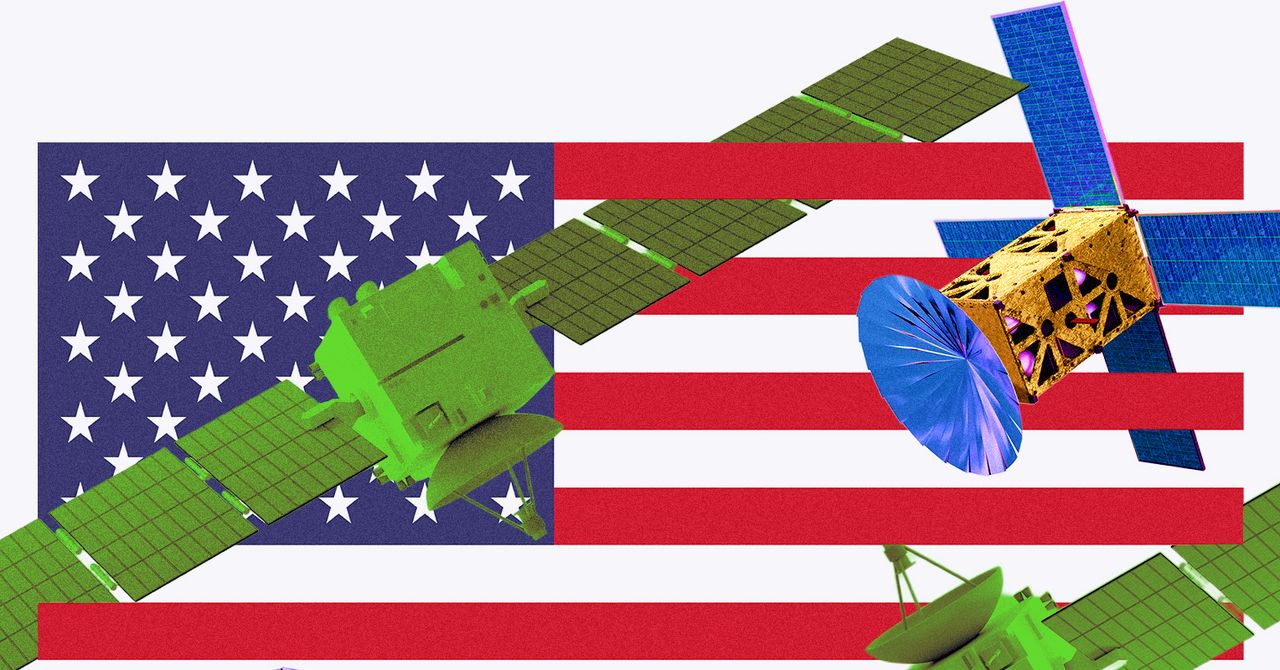

Max Bhatti and the four other engineers at Basalt Space worked 22 hours a day in March to assemble the startup’s first satellite so it would be finished in time for a launch deadline. “It makes 996 look like a vacation,” says Bhatti, the CEO. To keep electronics free of contamination, the team operated in a well-ventilated tent that Bhatti boasts is more dust-free than a hospital. It sits in one of three adjacent apartments the company leases in San Francisco’s Lower Nob Hill neighborhood.
The apartments have been home and office for the Basalt team for the past two years, replete with all the staples of a hacker house, including a laundry machine, an outdoor gym, and stacks of ramen. Employees, who are all in their 20s, feel a sense of urgency as the third and largest-yet wave of satellite development unfolds across the US.
Basalt is part of a generation of startups aiming to broaden reliable and secure access to satellite imaging, navigation, and communication services. As they envision it, more of the world will be continually photographed, more items will be tracked, and customers won’t have to fear gatekeepers like Starlink cutting off their transmissions.
From the first satellite launch in 1957 until the past couple of decades, governments and defense contractors largely controlled access to data from space. Alternatives followed, including Globalstar, Planet Labs, and Skybox Imaging, which launched a few low-cost satellites and conveyed specific data to paying customers. But Basalt wants to go further, providing any client with their own set of five to 15 satellites in a similar fashion to how cloud computing firms give companies access to data centers full of sophisticated servers. Faster satellite data could help farmers stop pests and diseases before they spread widely. Fewer restrictions and increased reliability could enable news organizations and investors to better understand migration and trade.
“The question that I posed to myself when I started the company was like, ‘What’s the most fundamental thing that we could change about the aerospace industry?’” Bhatti says. “And I think it’s the idea that the end user should just be able to directly task a constellation, not even just one satellite.”
Operating the satellites using AI in place of people is an essential but unproven part of Basalt’s business plans. But the startup already has been aided by the rapid decrease in costs of manufacturing and launching satellites over the past five years. The Trump administration’s recent decision to relax some regulatory hurdles has also helped, according to Bhatti. “A lot of the hoops that you would jump through are gone, and that’s welcomed by everyone in the industry,” he says, declining to get into specifics.
The war in Iran has also provided a golden opportunity to pitch the technology. Planet Labs and other satellite imagery providers recently restricted access to feeds from the Middle East, citing concerns about misuse amid the conflict. For the thousands of dollars a month customers pay to a satellite imaging provider, they could lease or own their own constellation through Basalt, Bhatti believes. “No one can cut you in line. No one can turn off the data,” he says, though it’s unclear if the latter promise will hold up to future regulatory pressure. “Especially in times like this, it’s kind of obvious how important it is to actually see what’s going on in the ground. What is really the truth?”
But Basalt and other new companies face questions over whether customers will materialize at the volume they expect. Satellite startups that a few years ago bet on eagerness for climate change data turned out to be wrong, with their services now largely serving militaries. Backlash against space junk, light pollution, and other environmental impacts of satellites could grow as the industry booms. The increased opportunity for intrusive surveillance from space also could draw civil liberties activists into a fight.
Read the full article here